AI-generated editorial illustration · Conceptual scene, not a product capture.
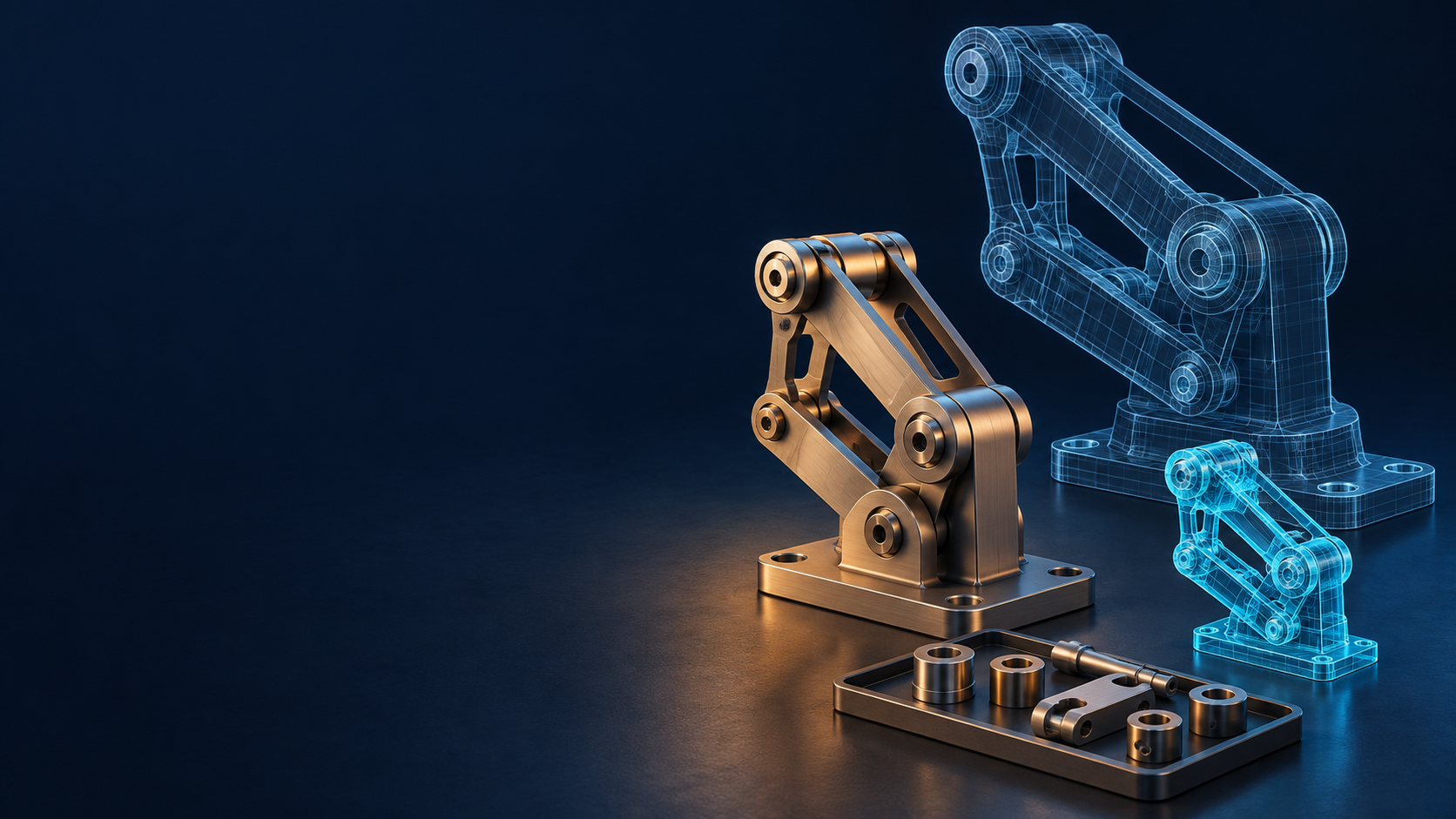
MuJoCo 3.16.0 adds compile-time scaling for model frames and options that retain an author’s original XML structure when saving. A reusable mechanism can now be resized while its referenced actuators, sensors and other elements scale consistently. The distinction between scaling policies matters: the default preserves dynamics under proportionally scaled gravity, while geometry scaling changes spatial dimensions and inertias. The release also corrects several saving and contact issues that could alter an experiment after editing or reloading.
Why it’s useful. Game and simulation authors can keep an editable source model while producing size variants. Saving and reloading representative variants should become part of the regression check, alongside their motion and contact behavior.
What to keep in mind. The release includes breaking API changes and stiffness corrections that can change existing models. Scaling is conditional on the selected policy; it does not certify a resized model against real hardware. No release tests were reproduced here.
AI-generated editorial illustration · Conceptual scene, not a product capture.
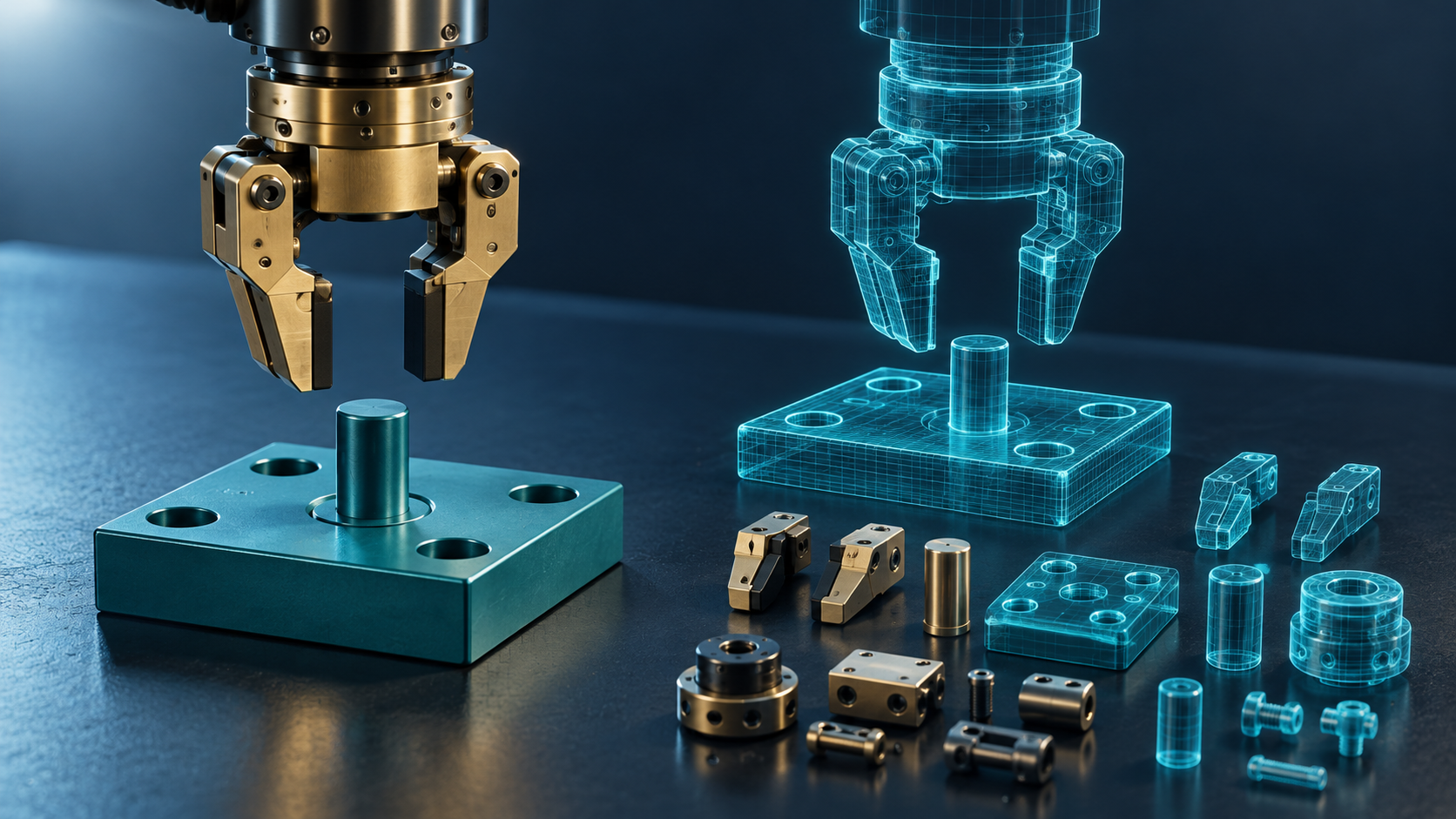
NVIDIA’s October walkthrough turns robot CAD into an OpenUSD asset through five stages: import, appearance review, physics configuration, validation and a pick-and-place task. The useful part is the explicit record of what was estimated. Link masses and inertias came from simplified geometry, friction was assumed, and the parameters were not calibrated against physical robot measurements. Its checks establish that the prepared asset behaves as configured on tested trajectories, leaving real-world agreement as a separate question.
Why it’s useful. Reusable synthetic-data and robot-training assets need more than a convincing render. Carry the source references, estimated physical properties, chosen validation profile and task checks with the asset so another team can inspect its suitability.
What to keep in mind. This is NVIDIA’s documented example, not an independently reproduced result. Passing structural and runtime checks does not establish real robot dynamics or collision safety across all poses; camera-based perception is outside this walkthrough.
AI-generated editorial illustration · Conceptual scene, not a product capture.
NVIDIA describes using DSX Air as an executable logical twin for supported infrastructure configurations and software interfaces. Instead of retiring the model after planning, teams can exercise a proposed change, compare the result with policy and retain evidence before promotion. The article separates this integration-testing role from performance, power and memory models. That separation is useful: running an intended software stack answers a different question from predicting its throughput or resource consumption.
Why it’s useful. Engineering test workflows can borrow the pattern: preserve a representative environment, define the proposed change and acceptance rule, then save the resulting evidence. Reuse the scenario when deployed behavior reveals a missing check.
What to keep in mind. DSX Air covers supported configurations and integrations, not every aspect of physical infrastructure. Performance estimates need appropriate models or measurements. The article outlines a vendor workflow; no deployment or performance claims were independently verified here.