
TRAIN · NEWS FROM THE INDUSTRY
A simulation-ready asset needs its assumptions
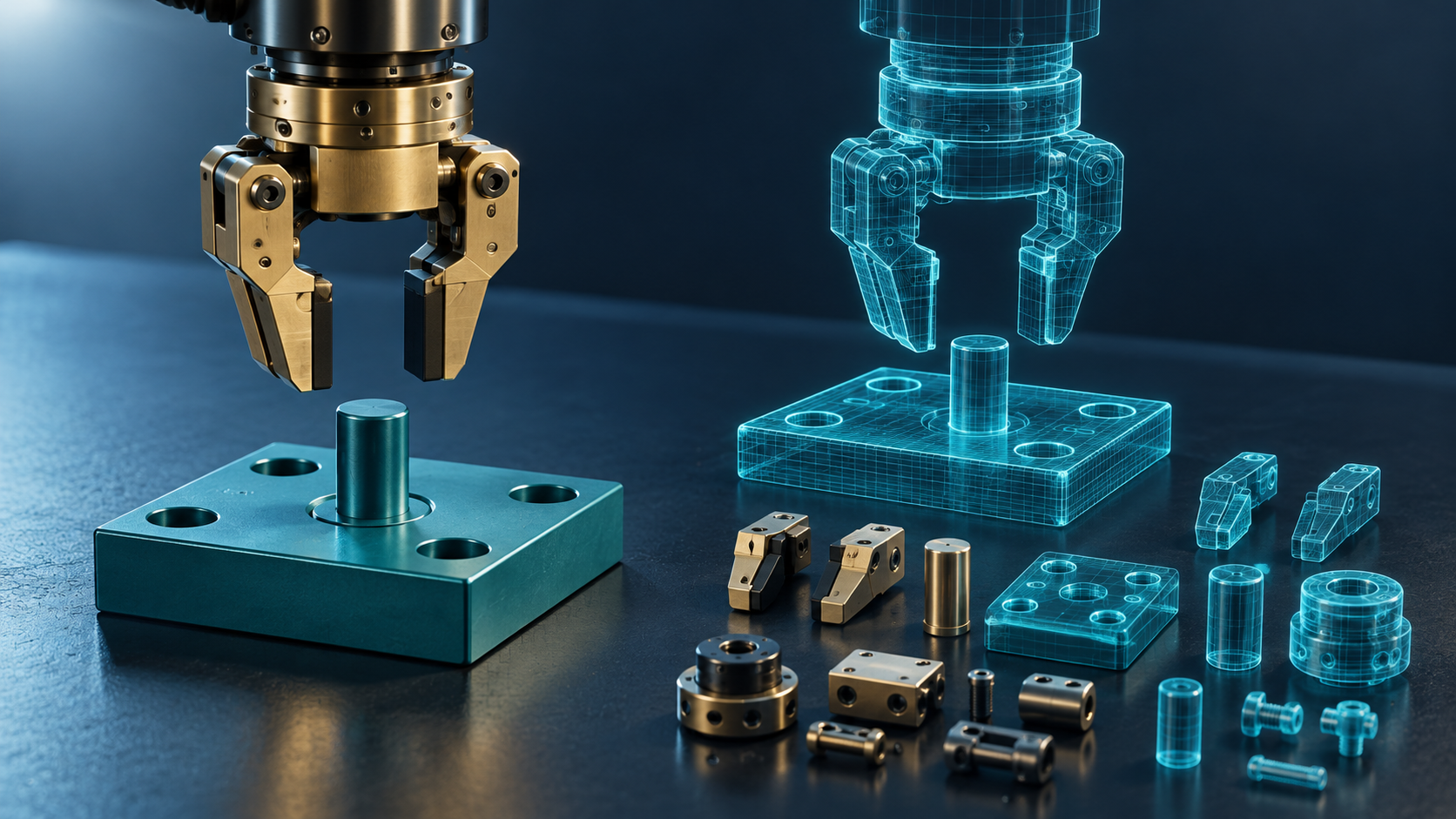
NVIDIA’s October walkthrough turns robot CAD into an OpenUSD asset through five stages: import, appearance review, physics configuration, validation and a pick-and-place task. The useful part is the explicit record of what was estimated. Link masses and inertias came from simplified geometry, friction was assumed, and the parameters were not calibrated against physical robot measurements. Its checks establish that the prepared asset behaves as configured on tested trajectories, leaving real-world agreement as a separate question.
Why it’s useful. Reusable synthetic-data and robot-training assets need more than a convincing render. Carry the source references, estimated physical properties, chosen validation profile and task checks with the asset so another team can inspect its suitability.
What to keep in mind. This is NVIDIA’s documented example, not an independently reproduced result. Passing structural and runtime checks does not establish real robot dynamics or collision safety across all poses; camera-based perception is outside this walkthrough.
- 5 Steps to Create SimReady Assets for Robotics with Frontier AI Models NVIDIA Technical Blog · Source published
In Keep the model, change the test · Coverage –